2026 Critical Care & Perioperative Medicine Conference: highlights and reflections

Earlier preparation. Better-informed decisions. Stronger systems.
From recovery after major surgery to developments in critical care research, the programme encouraged delegates to examine familiar approaches and consider where change could make a meaningful difference.
A consistent message emerged: progress depends on recognising risk sooner, applying evidence thoughtfully and creating systems that help healthcare professionals deliver safe, effective care. Alongside clinical updates, discussions explored shared decision-making, staff wellbeing and the importance of a culture where people feel able to ask for help.
Looking beyond survival
What does a successful outcome mean for the person receiving care? Sessions highlighted the importance of looking beyond survival to consider function, cognition, independence and quality of life.
Understanding these priorities before treatment can support more meaningful conversations about risk, recovery and the choices available. Frailty assessment and shared decision-making featured prominently, helping connect clinical decisions with what matters most to each patient.
Preparing earlier for better care
Several presentations explored the benefits of moving assessment and planning earlier in the patient journey.
Topics included multidisciplinary frailty assessment, supported prehabilitation and planning for complex airways. Across these discussions, the emphasis was on identifying challenges in advance and giving patients and clinical teams more opportunity to prepare.
Digital approaches to prehabilitation also featured, prompting consideration of how support could reach more patients while making effective use of hospital resources.
Putting evidence into practice
The conference offered an opportunity to reflect on how emerging evidence should influence everyday care.
Presentations examined research challenging some established interventions and routine practices in critical care and perioperative medicine. Delegates were encouraged to consider where treatment adds value, where assumptions deserve closer scrutiny and how evidence can inform more individualised decisions.
Careful judgement and a willingness to question familiar approaches were recurring themes throughout the programme.
Stronger systems, supported teams
Safety discussions highlighted the influence of working environments, processes and team culture on the care patients receive.
Speakers explored system design, simulation, practical prompts and feedback as ways to support improvement. Sessions also considered staff wellbeing, the pressures of clinical responsibility and the transition to consultant practice.
Together, these discussions reinforced the importance of creating teams in which asking for help is encouraged and learning is shared.
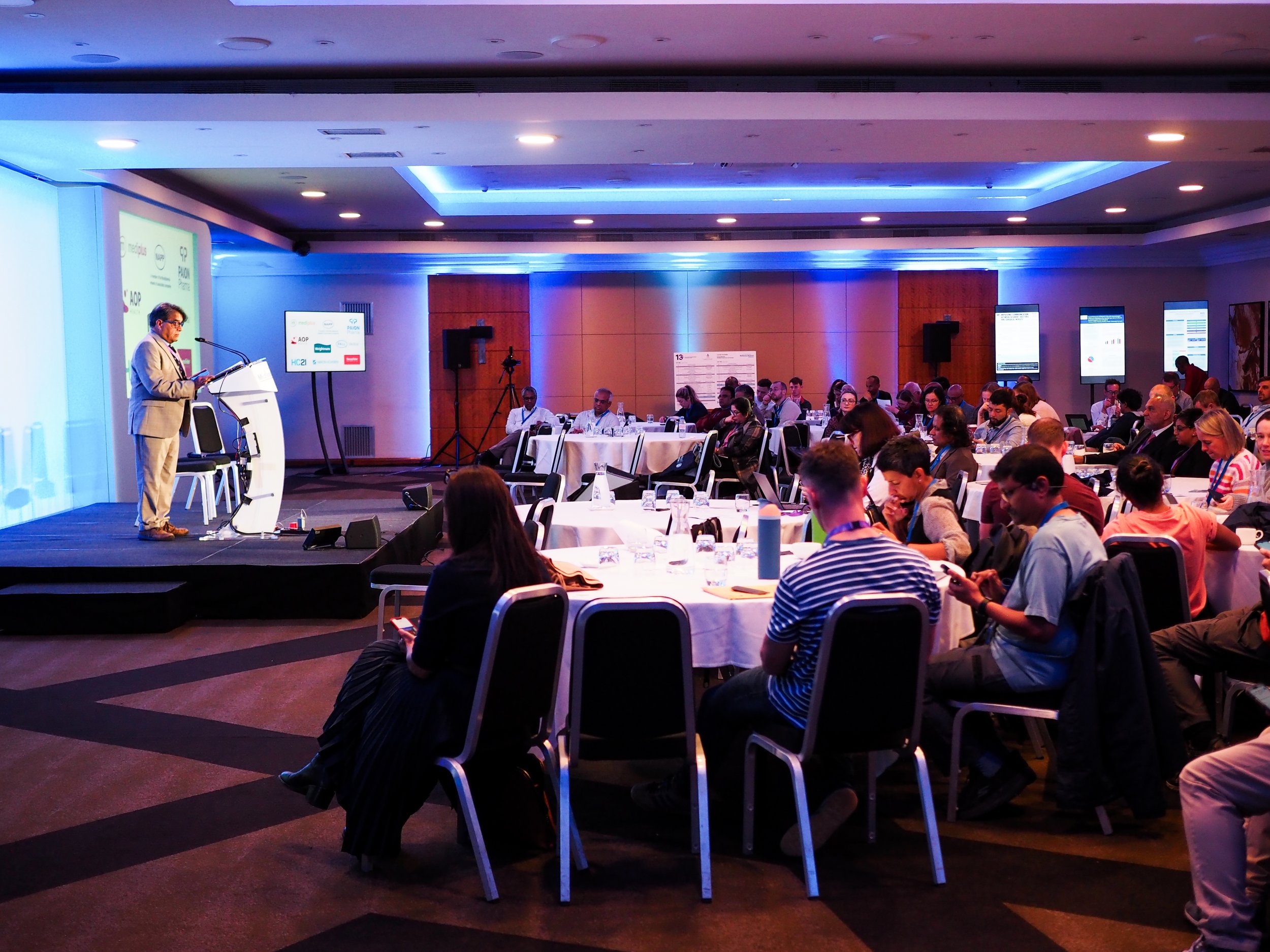
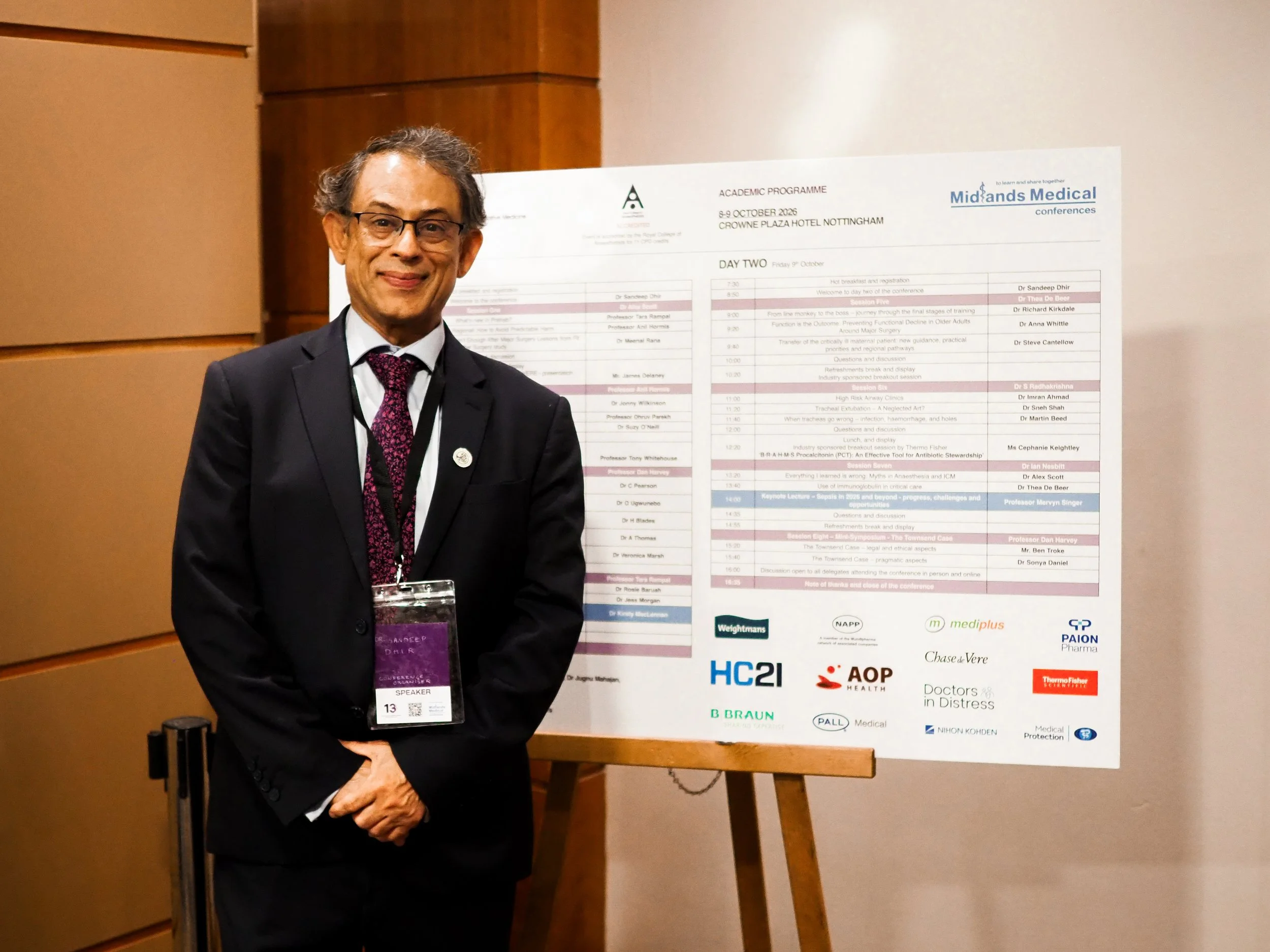
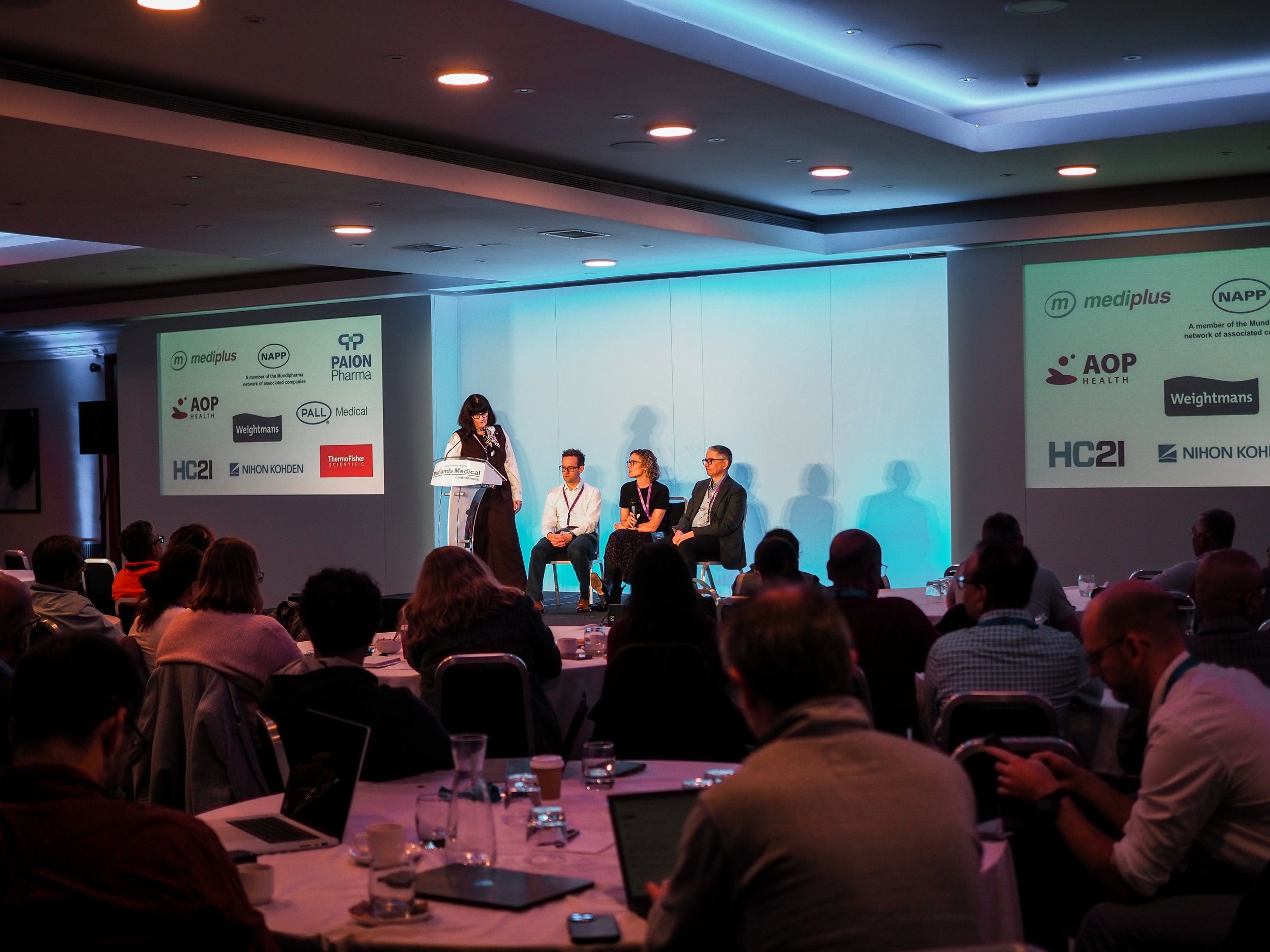
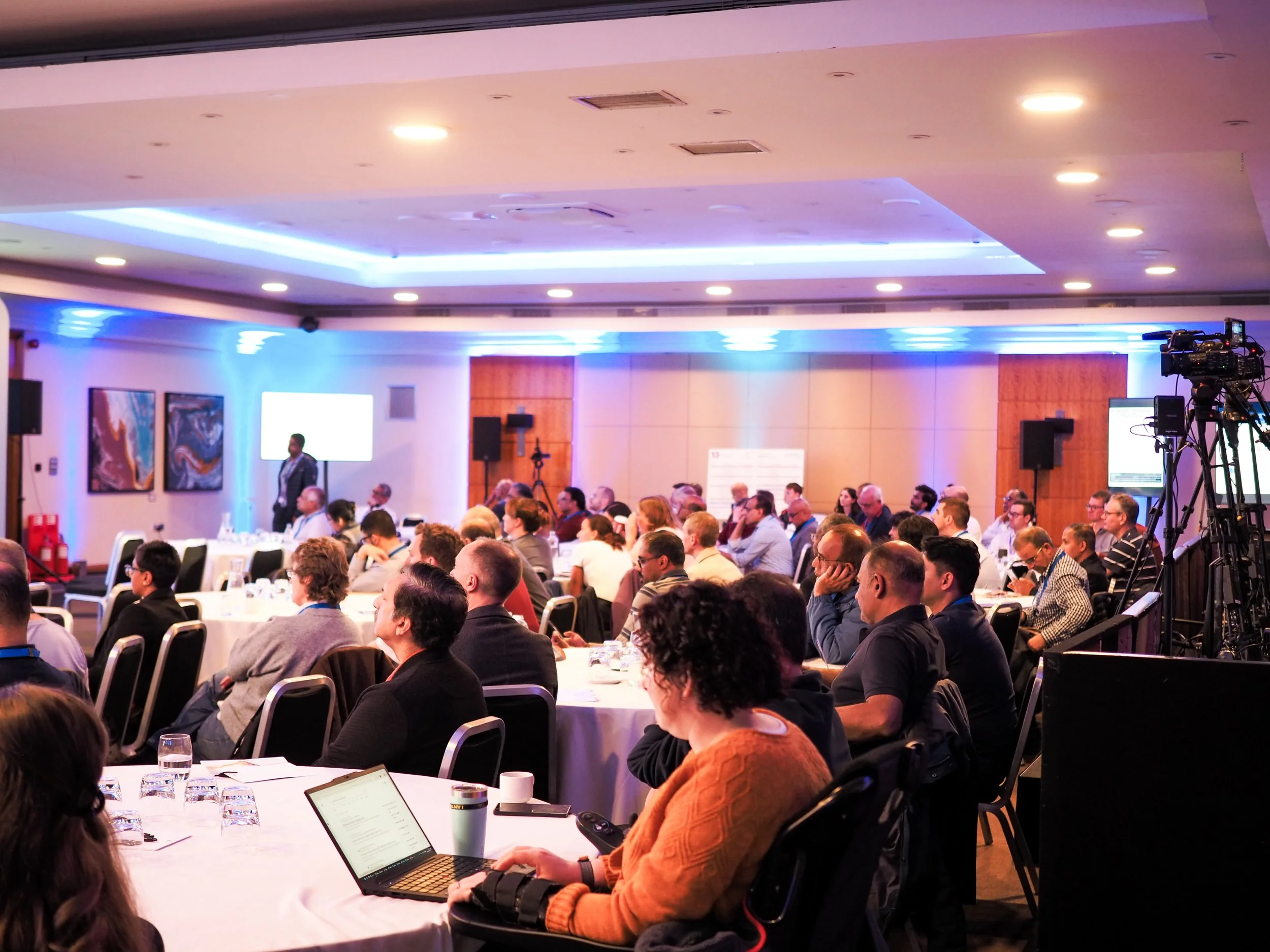
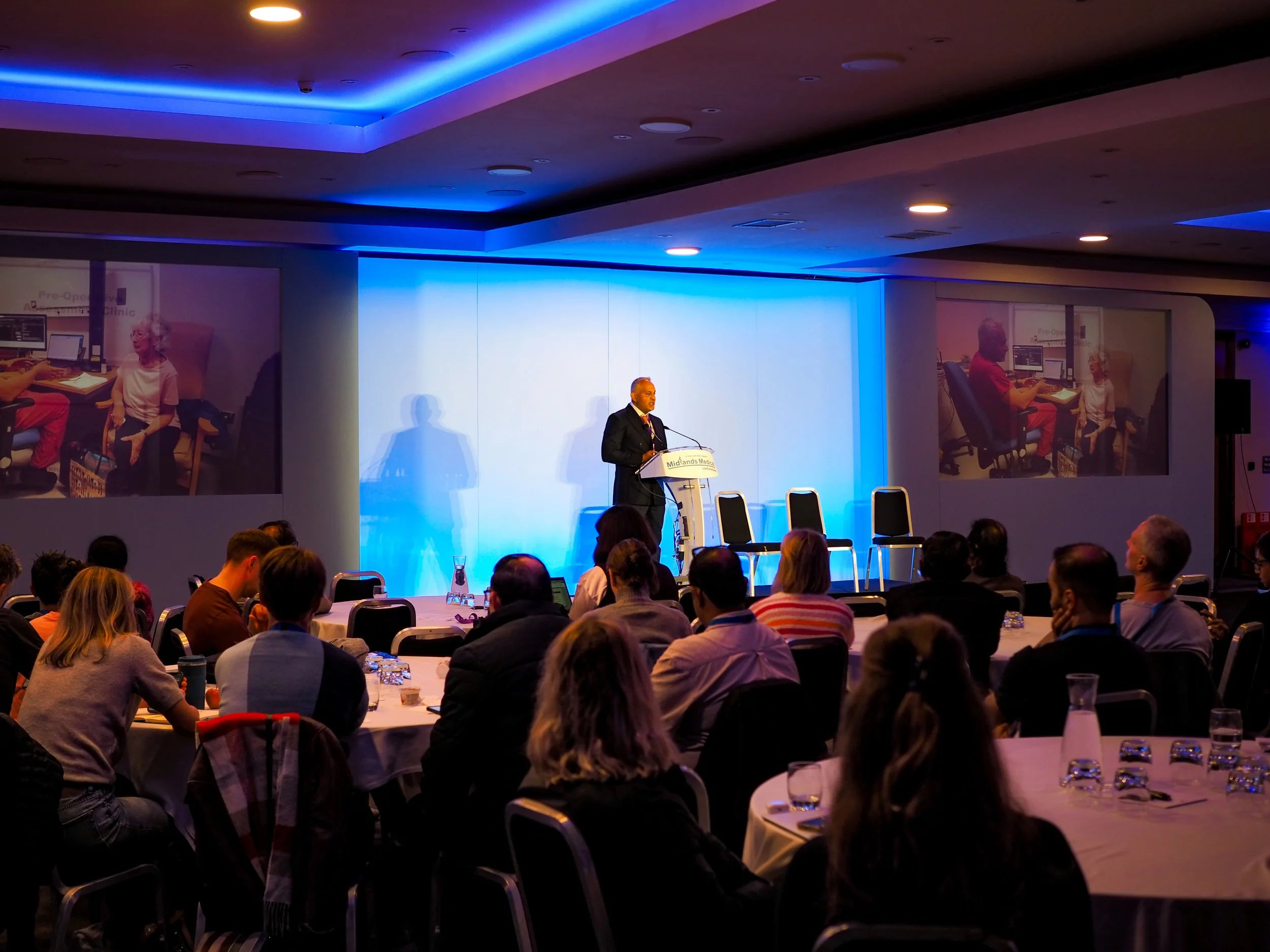
The 13th East Midlands Critical Care & Perioperative Medicine Conference brought together more than 580 delegates in Nottingham and online for two days of learning, discussion and shared experience.
“I think that immense change is simply the sum of small shared efforts.”
— Dr Kirsty MacLennan
Professor Ravi Mahajan Safety Lecture
Eight priorities to take forward
The conference summaries identified eight priorities for reflection and discussion within clinical teams.
Bring shared decisions into planning earlier
Consider function, frailty, cognition and independence when assessing outcomes.
01
Measure recovery alongside survival
Consider function, frailty, cognition and independence when assessing outcomes.
02
Develop supported prehabilitation
Explore accessible, supervised programmes and digital delivery.
03
Review routine practice
Use research to identify where familiar interventions warrant reassessment.
04
Plan complex airways in advance
Recognise higher-risk situations early and develop clear strategies.
05
Improve systems around teams
Use research to identify where familiar interventions warrant reassessment.
06
Make asking for help visible
Recognise higher-risk situations early and develop clear strategies.
07
Keep decisions well documented
Maintain attention to capacity, reasoning and legal developments.
08
Shared learning. Lasting connections
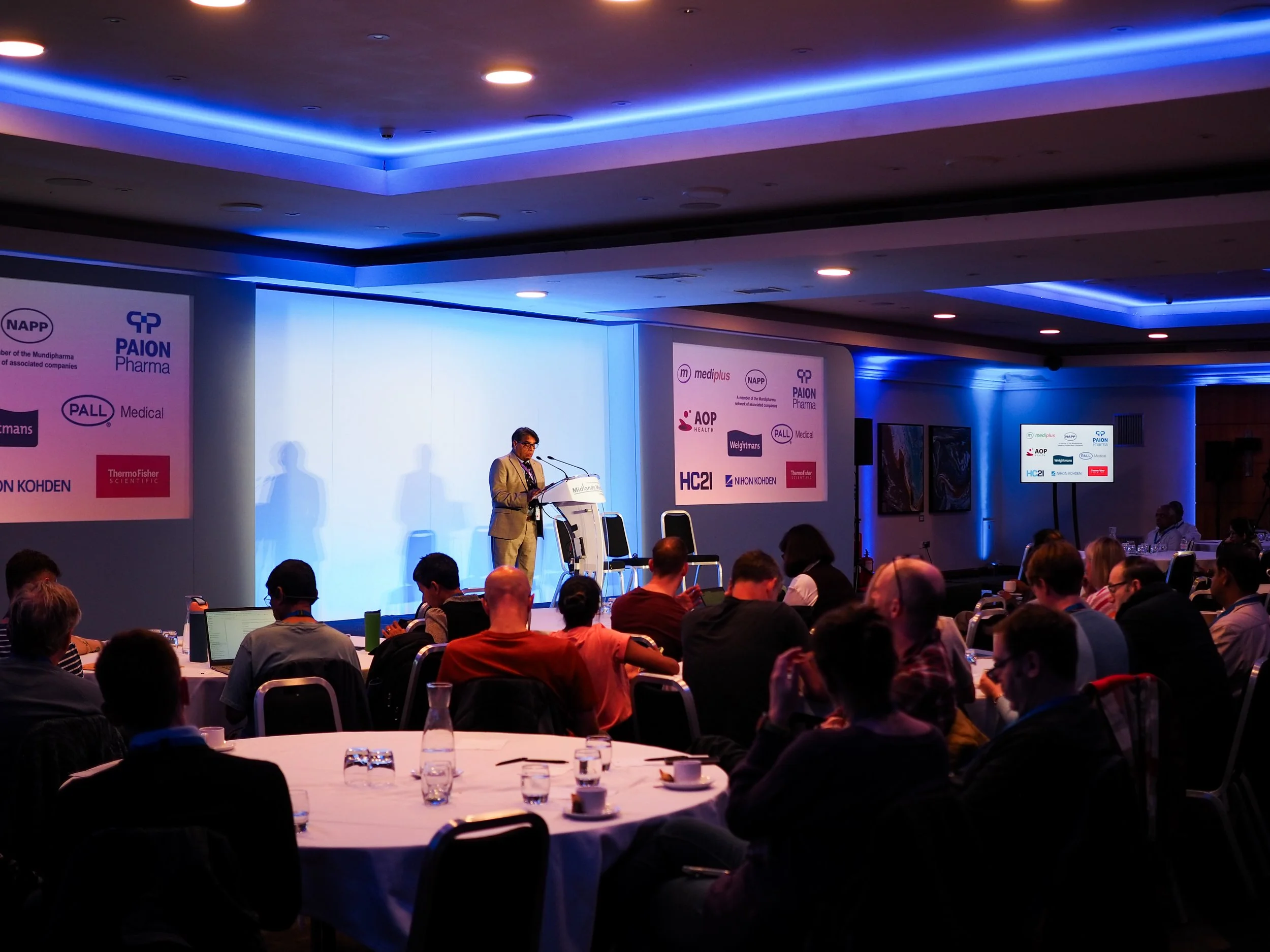
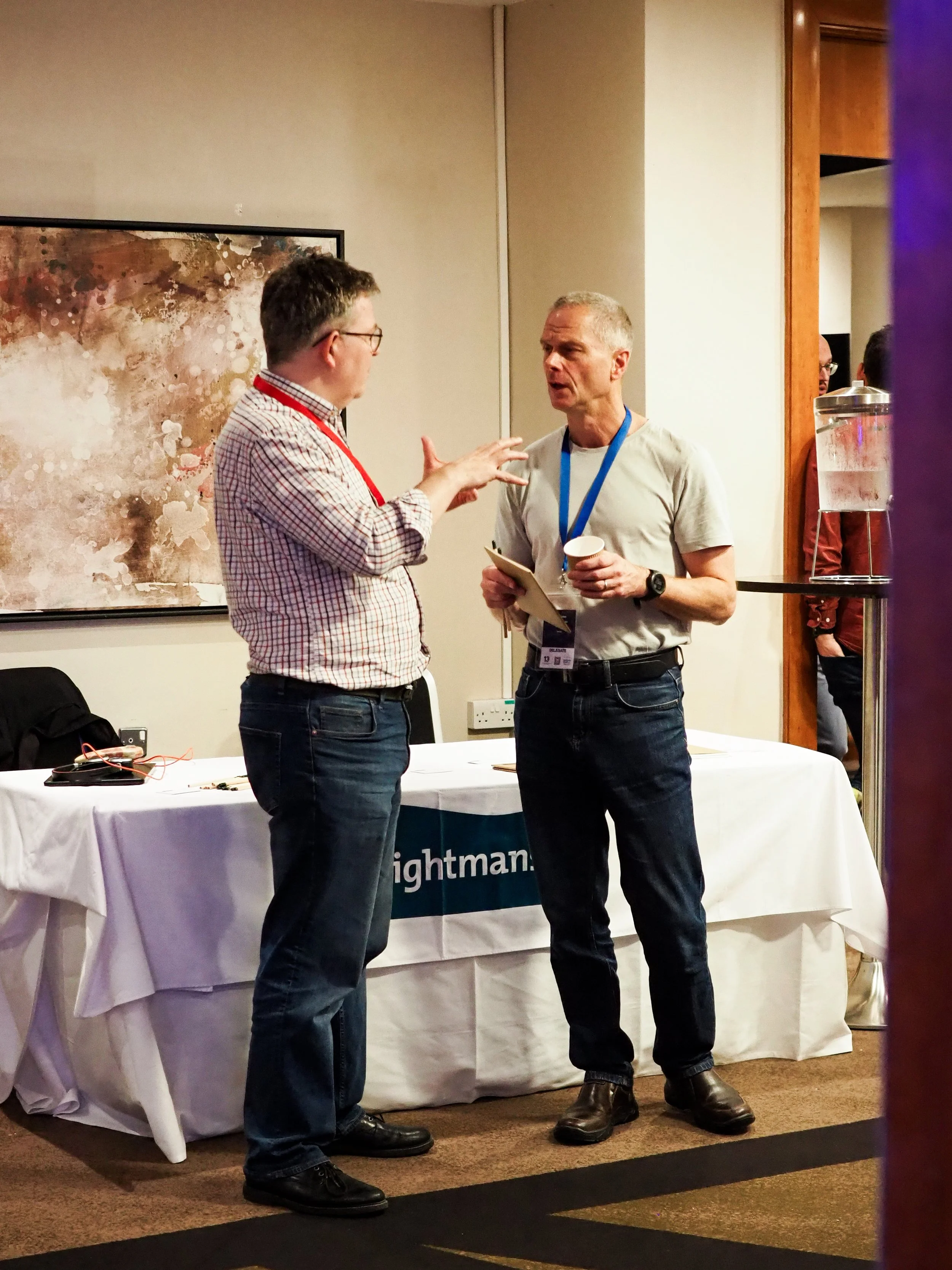

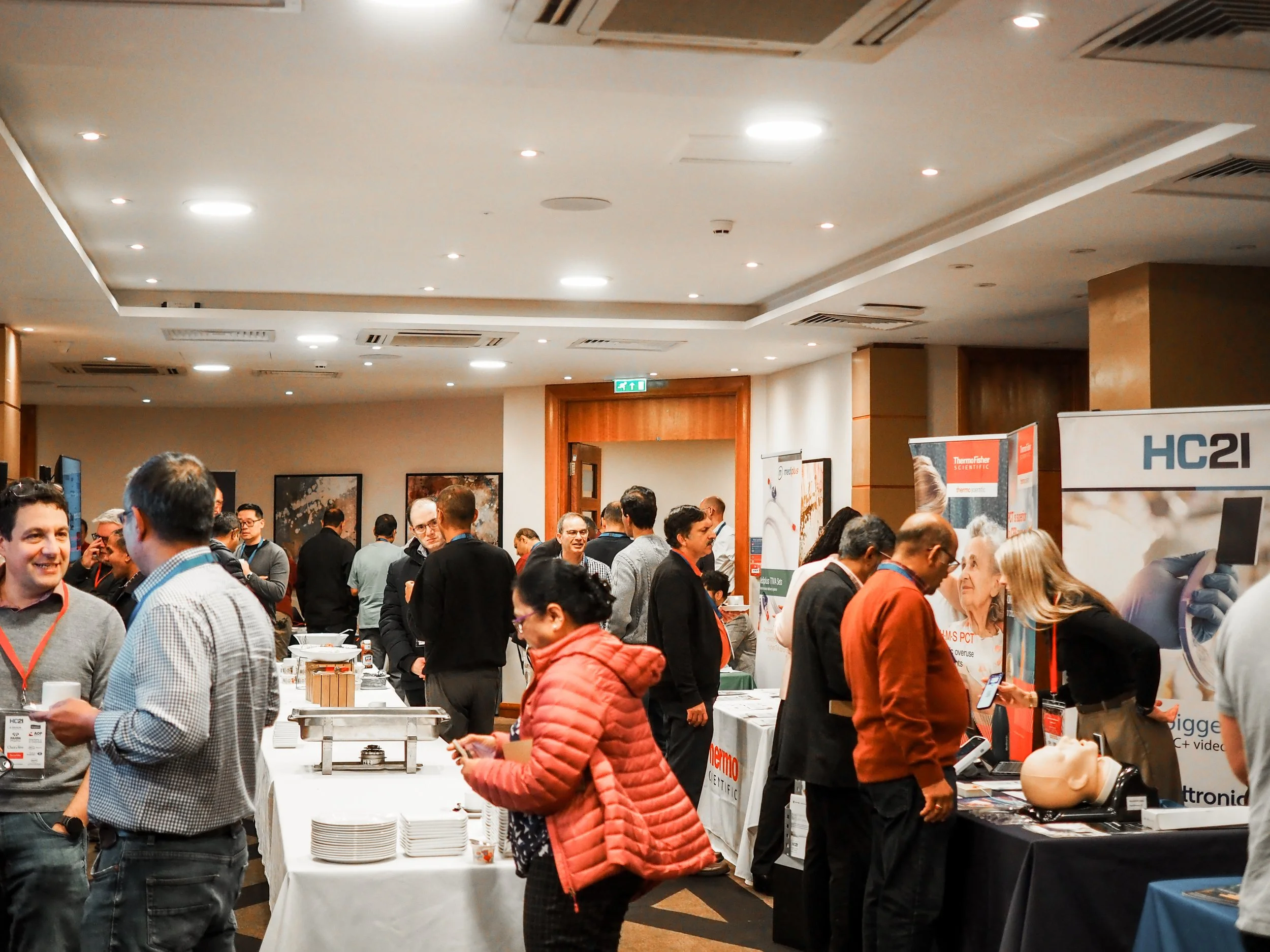
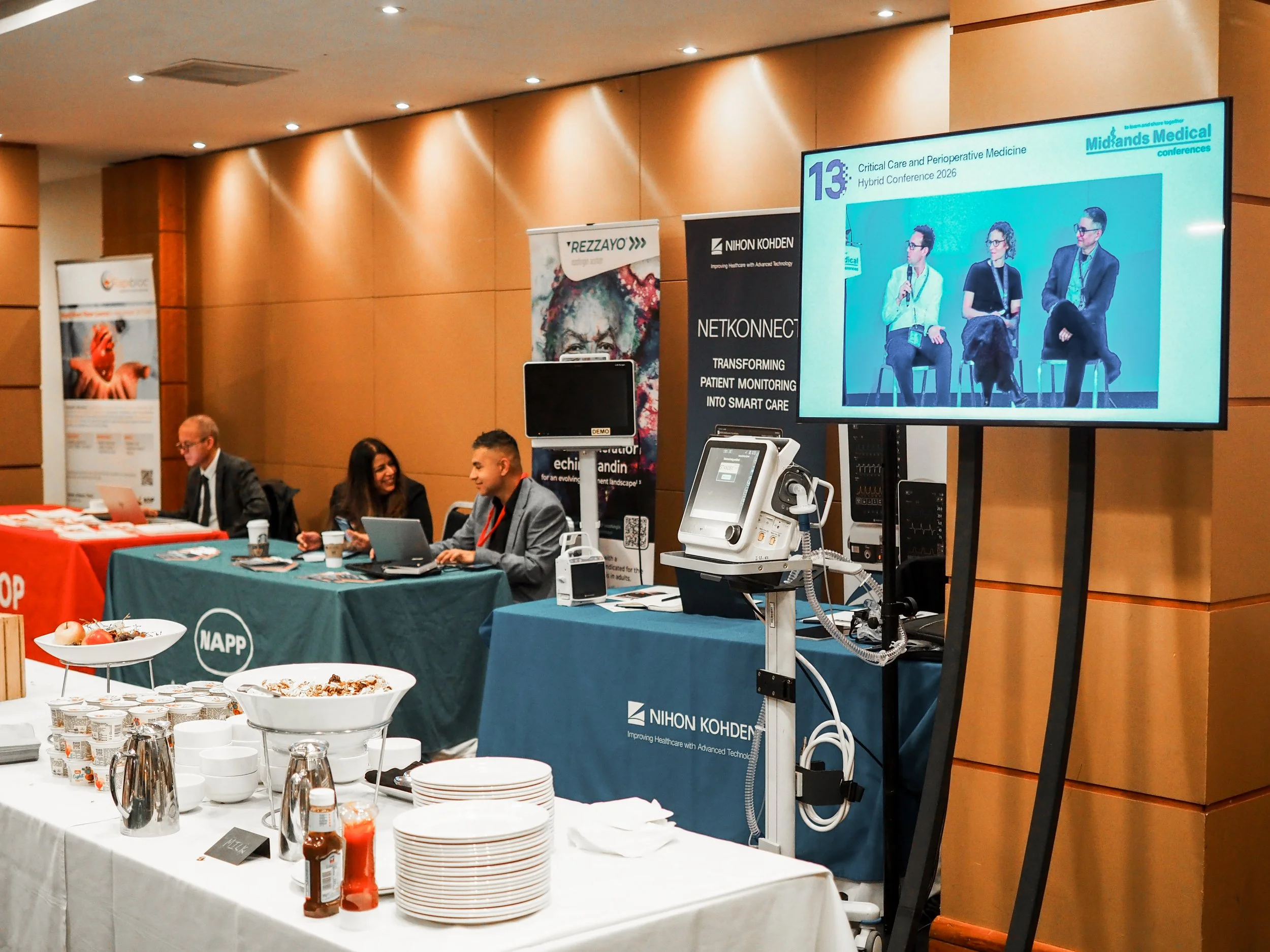
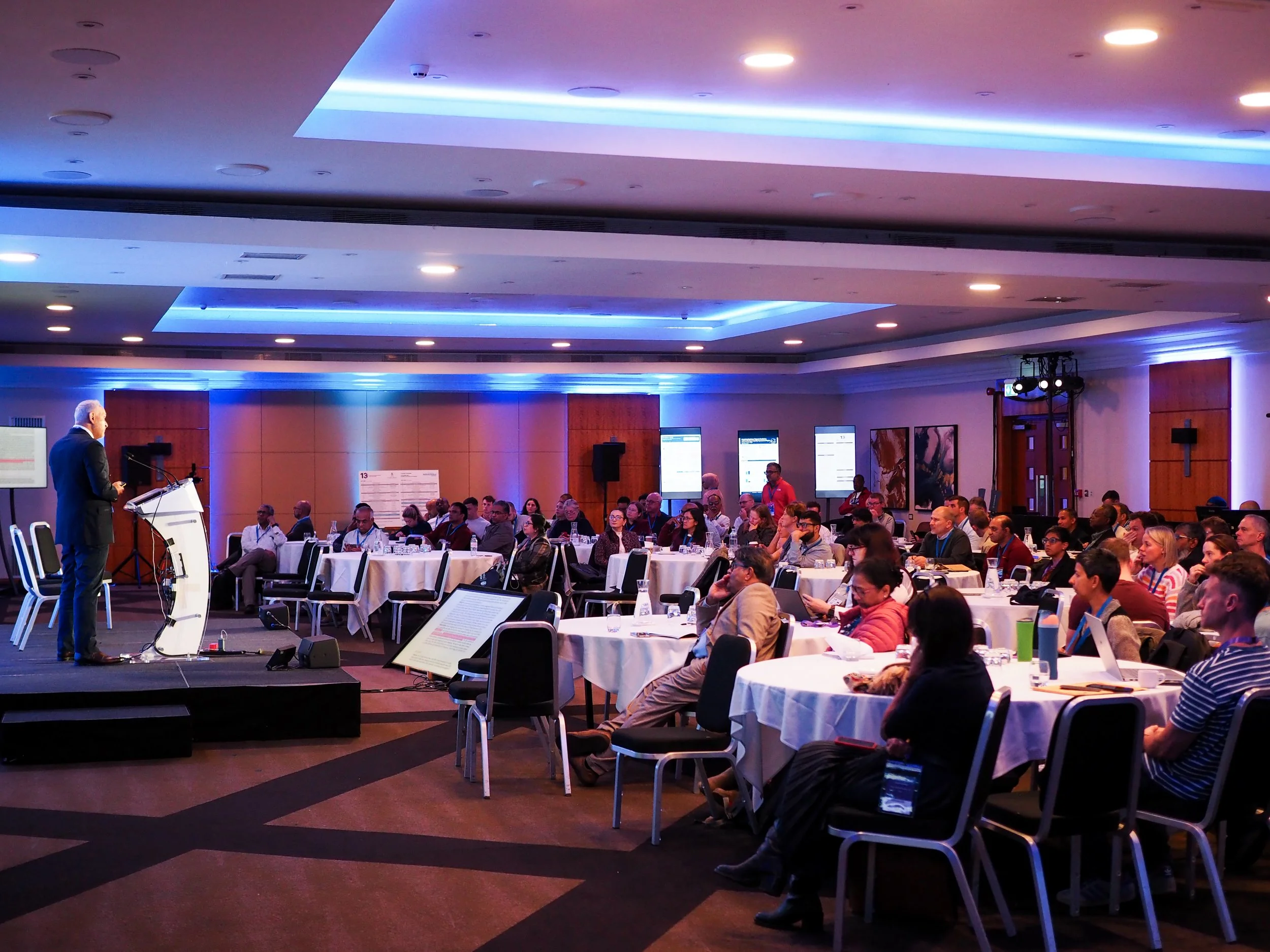
Our thanks go to every speaker, chair and delegate, and to the organisers and supporters who helped make the conference possible.
The themes emerging from the two days offer plenty to reflect on and explore further within local teams.