The Evolution of Laryngoscopy
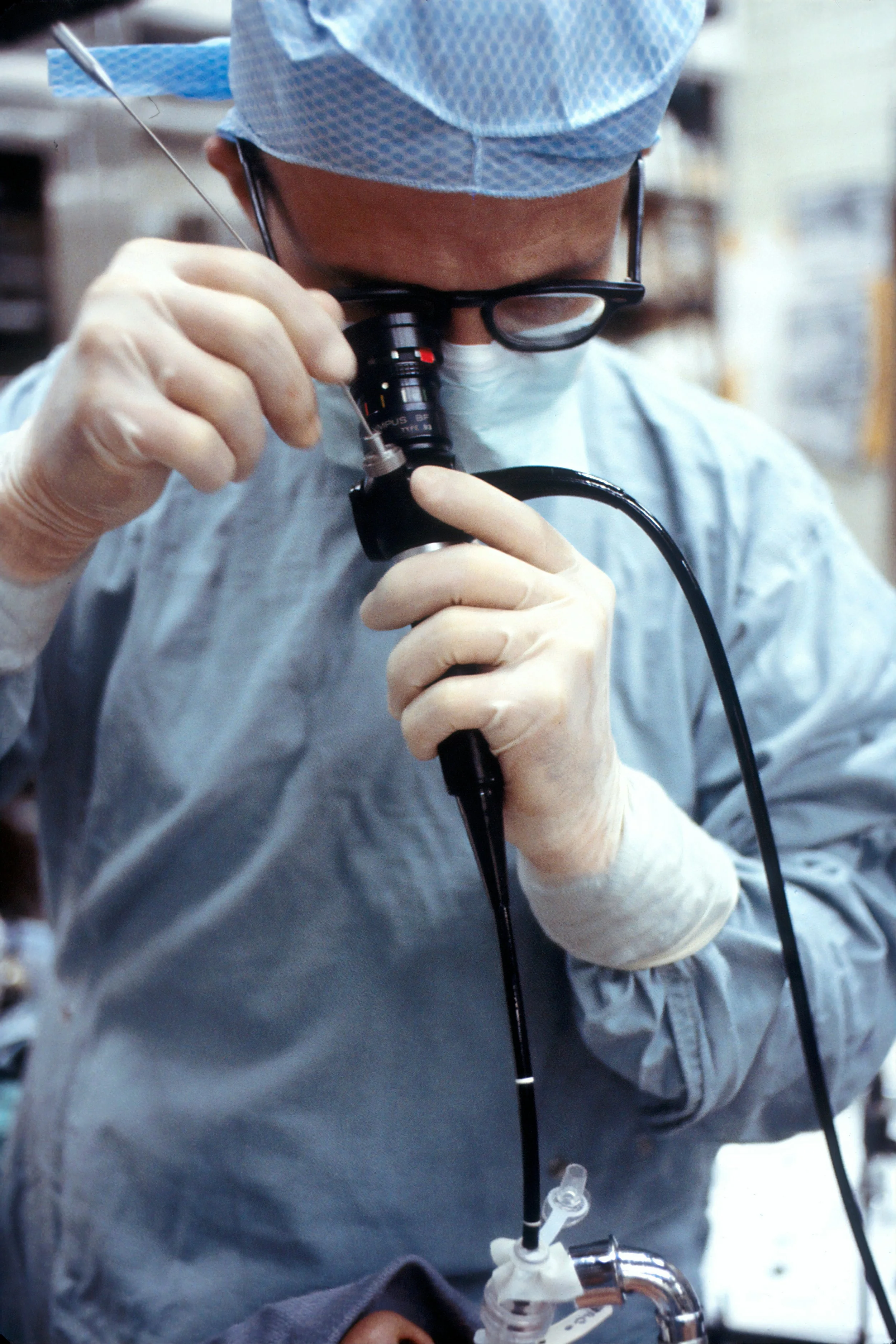
From sunlight and two mirrors to “M–75–E”—if this sounds like a riddle, you’re not entirely wrong. But rather than an encrypted message, it reflects the journey of laryngoscopY from the 19th to the 21st century.
It was the curiosity of Manuel García II that marked a key step in 1854. Using two mirrors—one reflecting sunlight into his throat and a dentist’s mirror placed at the uvula—he became the first to observe the living larynx in motion. He went on to document these findings and present Observations on the Human Voice to the Royal Society in 1855. While not the first to visualise the larynx, his work is widely regarded as the birth of modern laryngoscopy.
I recently came across an article in the British Journal of Anaesthesia from the VCI study group, which made me reflect on how far we have come. The Video Classification of Intubation (VCI) proposes a structured way of documenting intubation—combining blade type, glottic view (POGO), and ease of tube delivery. With evolving Difficult Airway Society guidance increasingly emphasising videolaryngoscopy where available, this feels like a natural next step in improving how we communicate airway management.
Perhaps in the near future, describing an intubation as “M–75–E” will be as intuitive as the techniques we now take for granted—a reflection of how the field continues to evolve, driven by curiosity and the pursuit of safer, more consistent practice.
References
Lapeña JF. Mirrors and reflections: the evolution of indirect laryngoscopy. Ann Saudi Med. 2013;33(2):177–181.
Halliday C, Berry M, Shah S, et al. The Video Classification of Intubation (VCI) score for videolaryngoscopy: a multicentre international feasibility study. British Journal of Anaesthesia, 2025