
Conference Review: Critical Care and Perioperative Medicine 2025
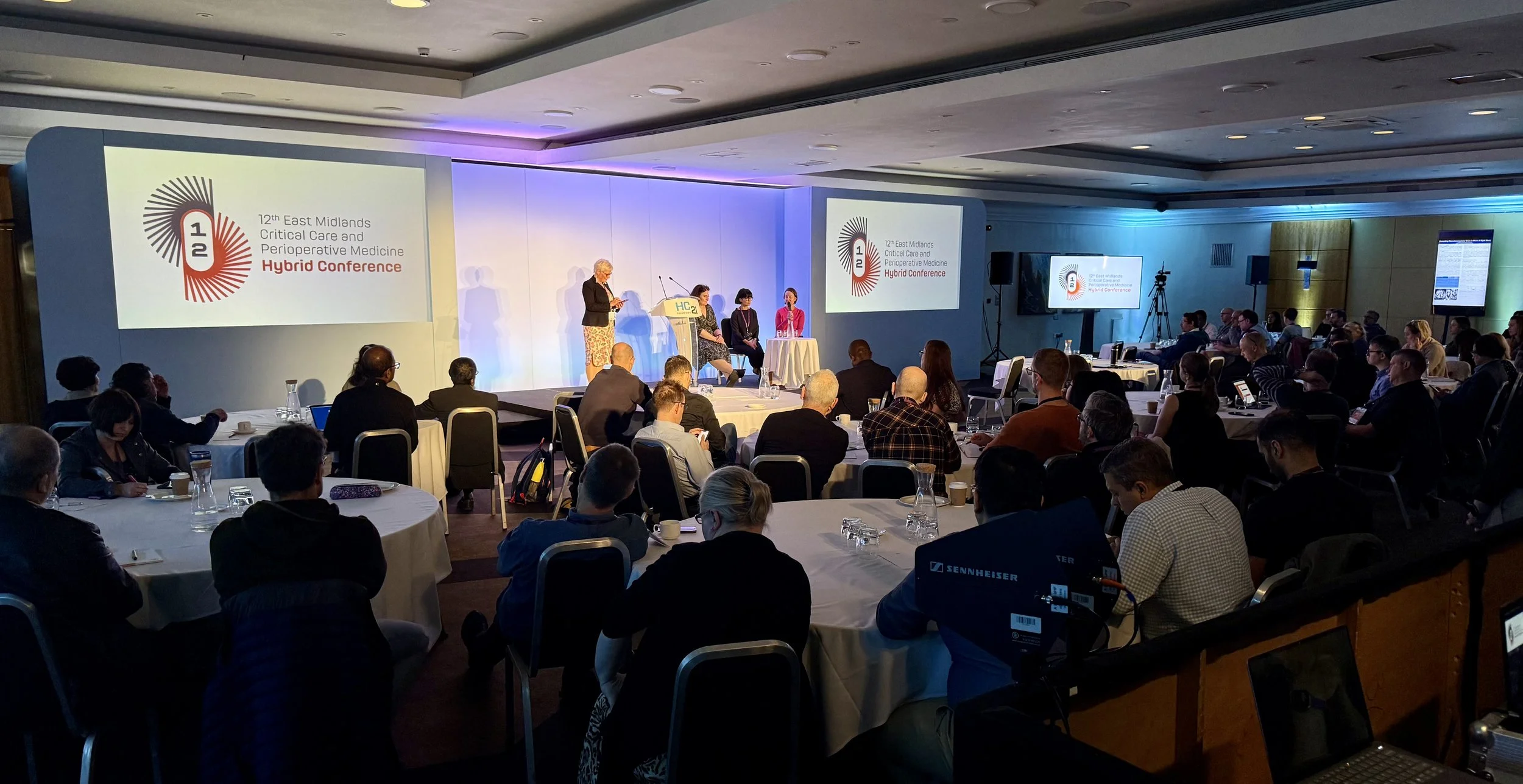
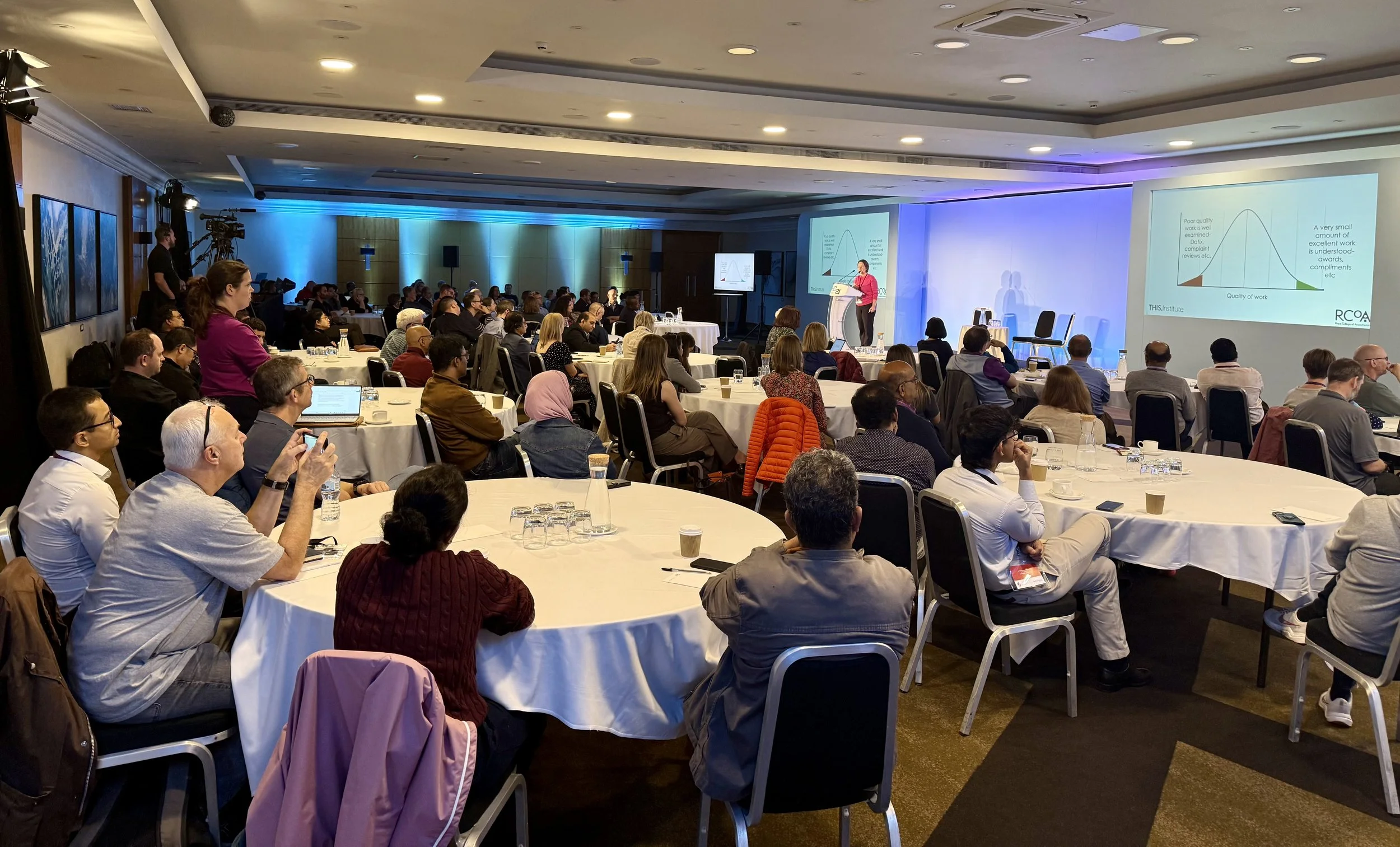
The Midlands Critical Care & Perioperative Medicine Conference convened experts and practitioners to explore the evolving landscape of anaesthesia, critical care, and patient safety. The discussions painted a clear picture of a specialty at a pivotal inflection point, navigating the powerful currents of technological innovation, systemic complexity, and an ever-stronger ethical imperative for patient-centered care. This report synthesizes the critical insights from the sessions, revealing an overarching narrative of a field striving to balance the promise of a data-driven, hyper-personalized future with the persistent, real-world challenges of resource constraints, cultural inertia, and the fundamental human elements of medicine.
Four macro-level themes dominated the conference proceedings. First, a mature and systemic approach to patient safety has taken root, shifting the focus from individual error to the critical need for engineered solutions and robust learning systems. Discussions on pre-filled syringes, the NRFit standard, and the analysis of IT-induced errors underscored a collective understanding that safety must be designed into clinical workflows, not simply demanded of practitioners.
Second, the conference highlighted a transformative shift in the delivery of anaesthesia, moving decisively away from generalized, population-based metrics towards a future of precision and personalization. The call to "move on from MAC" in favor of advanced EEG monitoring, coupled with the visionary potential of genomics and AI-driven risk stratification, signals a fundamental redefinition of the specialty—from a reactive art to a predictive, data-informed science.
Third, the profound complexities of shared decision-making for high-risk patients emerged as a central ethical and practical challenge. The detailed exploration of multi-disciplinary frameworks like the Oracle MDT and specialized approaches for frail and autistic patients revealed a deep commitment to aligning clinical interventions with patient values. The dialogue evolved from viewing shared decision-making as a legal obligation to embracing it as a collaborative negotiation of risk, essential for delivering truly compassionate and appropriate care.
Finally, the sessions showcased rapid advancements in diagnostics and resuscitation, emphasizing the critical importance of speed and precision in emergency situations. The revolutionary potential of metagenomics to deliver a "one test, one day" diagnosis promises to reshape infection management, while evolving guidelines for maternal resuscitation reflect a more pragmatic, evidence-based approach to high-stakes, low-frequency events.
Across these themes, a consistent tension was palpable. An overwhelming sense of optimism and urgency to adopt innovative technologies and patient-centric models was consistently tempered by the pragmatic realities of implementation. Persistent challenges—including significant resource and training gaps, entrenched professional silos, and the intense time pressures of modern healthcare—were acknowledged as formidable barriers to progress.
In conclusion, the conference articulated a clear strategic direction for the future of perioperative and critical care. Success will hinge on the ability of healthcare systems to bridge the gap between aspiration and execution. This requires a multi-pronged strategy: targeted investment in engineered safety solutions and rapid diagnostics; the formalization of collaborative, multi-disciplinary decision-making frameworks; a fundamental update of clinical training to include advanced communication and data interpretation skills; and strong leadership to break down the cultural and systemic barriers that impede the delivery of truly integrated, patient-centered care.
“The conference was one of the most engaging I’ve attended in recent years. The balance of cutting-edge research, practical clinical updates, and open discussion made it incredibly valuable. I came away not only with new insights into critical care and perioperative practice, but also with a real sense of connection to colleagues across the UK and beyond.”
— Delegate